

Summary
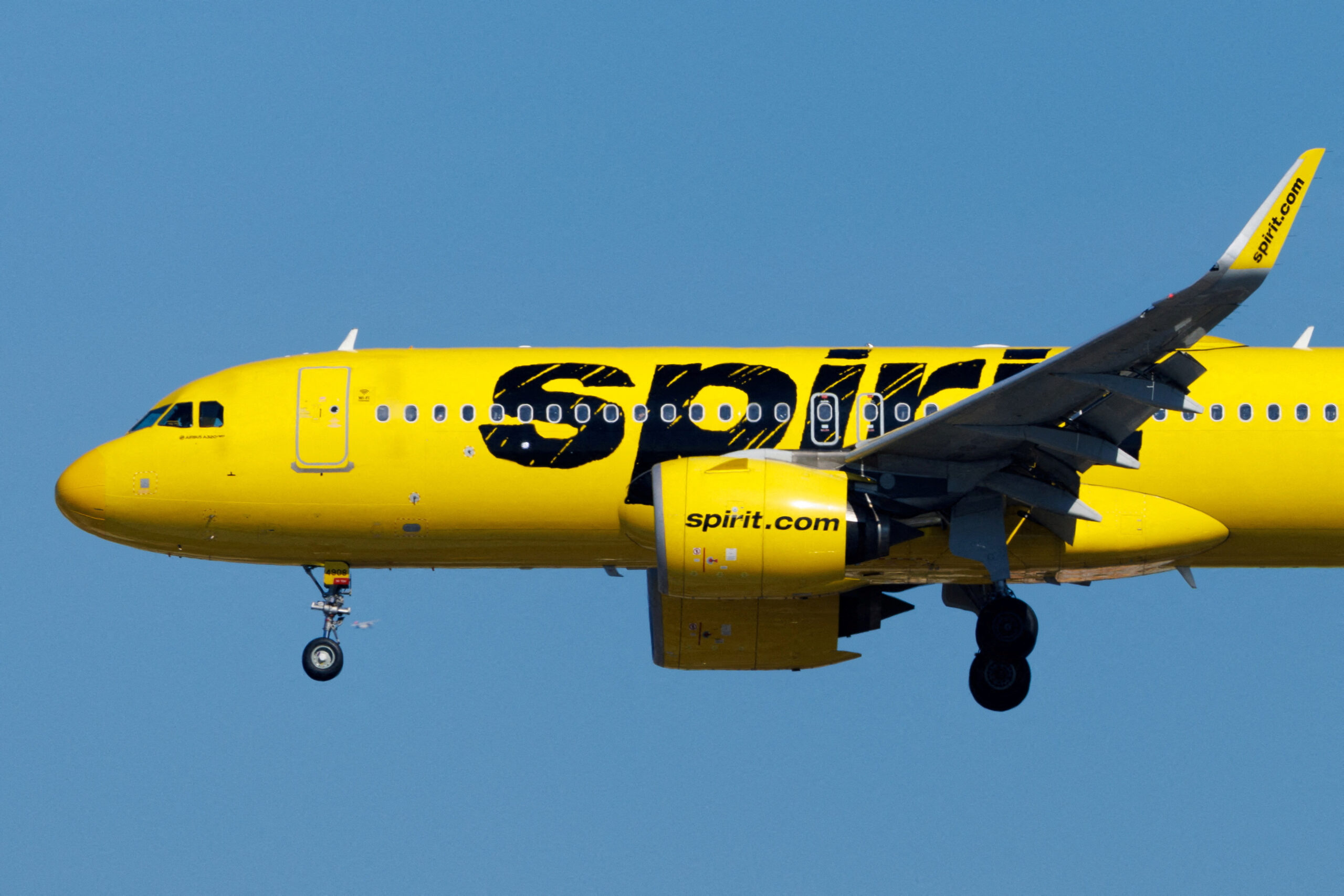
In a major shake-up for the aviation industry, ultra-low-cost carrier Spirit Airlines has ceased operations following the collapse of last-minute rescue efforts, bringing an abrupt end to nearly five decades of service. The shutdown highlights mounting pressures on budget airlines amid rising costs, debt burdens, and intensifying competition.
Sudden shutdown after failed bailout efforts
Spirit Airlines halted all flights after failing to secure a financial lifeline, with negotiations reportedly breaking down at the final stage. The airline had been exploring restructuring options and potential funding support, but no viable agreement materialized, forcing it to shut down operations immediately.
The collapse leaves thousands of passengers stranded and disrupts travel plans across the United States and international routes. It also impacts a workforce estimated in the tens of thousands, raising concerns about job losses and industry absorption capacity.
A 46-year legacy comes to an end
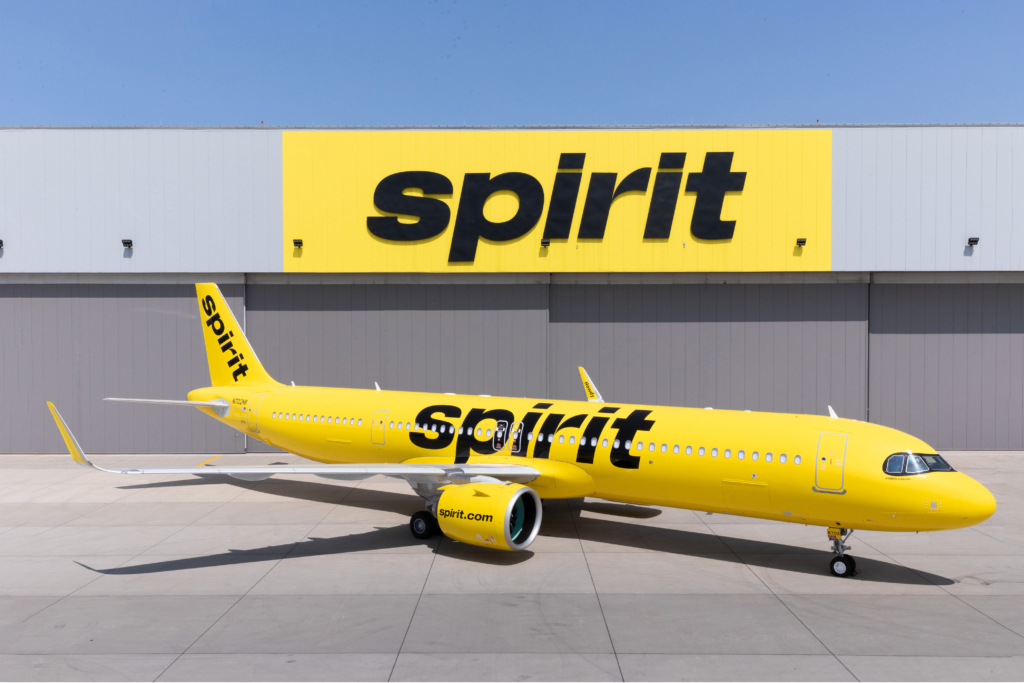
Founded in 1980, Spirit Airlines built its brand around the ultra-low-cost model offering some of the cheapest base fares in the market while charging separately for add-ons such as baggage, seat selection, and onboard services. Over the years, it became one of the largest budget carriers in North America, serving millions of passengers annually.
At its peak, Spirit operated hundreds of daily flights and maintained a fleet largely composed of Airbus A320 family aircraft. The airline was known for its aggressive pricing strategy, which often undercut competitors and stimulated demand in price-sensitive segments.
Financial pressures and structural challenges
The airline’s downfall reflects broader structural issues in the aviation sector:
- Rising fuel costs: Fuel typically accounts for 20–30% of airline operating expenses, and recent volatility significantly increased cost pressures. With limited ability to hedge effectively compared to larger carriers, low-cost airlines like Spirit are more exposed to sudden spikes, which directly compress already thin margins.
- High debt levels: Spirit accumulated substantial liabilities during aggressive expansion phases and pandemic-era disruptions. Servicing this debt became increasingly difficult in a high-interest-rate environment, where refinancing costs surged and liquidity buffers weakened.
- Post-pandemic demand shifts: While overall travel demand rebounded, the recovery has been uneven. Premium and international segments have outperformed, whereas ultra-low-cost carriers have faced pressure on yields as price-sensitive travelers remain cautious and increasingly selective.
- Competitive pressure: Larger legacy carriers and hybrid low-cost airlines have adopted similar pricing strategies, including basic economy fares, effectively narrowing the price gap. This eroded Spirit’s core value proposition and intensified competition on key domestic routes.
In recent years, Spirit also explored mergers and strategic partnerships, including talks with other budget airlines, but regulatory and financial hurdles prevented successful consolidation.
Market impact and industry implications
The shutdown is expected to reshape the low-cost airline landscape in the US:
- Capacity reduction: The sudden removal of Spirit’s capacity could tighten supply in key domestic routes.
- Fare increases: Analysts suggest that average ticket prices may rise in the short term due to reduced competition.
- Opportunities for rivals: Competitors such as Frontier, Southwest, and major legacy carriers may capture displaced demand.
For passengers, the disappearance of a major ultra-low-cost option could reduce accessibility to affordable air travel, particularly for leisure travelers.
What happens next?
Authorities and aviation regulators are likely to focus on passenger compensation, refunds, and repatriation where necessary. Meanwhile, aircraft lessors, creditors, and employees will navigate the fallout through legal and financial proceedings.
The collapse of Spirit Airlines serves as a stark reminder of the fragility of the low-cost airline model in an environment marked by cost inflation, regulatory complexity, and shifting consumer expectations.
Read more: Microsoft Exclusivity: OpenAI Free To Court Amazon And Google

2 Comments
Pingback: Trump Signs Executive Order Expanding Workers’ Access To Retirement Plans (2026 Update)
Pingback: Symptoms Of Hantavirus: Early Signs, Causes, And Prevention