

Breaking Microsoft Exclusivity
According to Reuters, in a move that signals a tectonic shift in the artificial intelligence landscape, OpenAI has officially ended its exclusive cloud partnership with Microsoft (Microsoft Exclusivity). The decision, first reported by Reuters, marks the end of an era for the industry’s most formidable alliance and clears the path for the ChatGPT creator to integrate its models into rival ecosystems, including Amazon Web Services (AWS) and Google Cloud.
While the two companies will remain close partners, the restructuring of their multi-billion dollar “marriage” indicates that the boundaries of the AI race are being redrawn.
Why OpenAI is Moving Beyond Azure
Since 2019, Microsoft has been the exclusive cloud provider for OpenAI, fueling the startup’s massive compute needs in exchange for early access to its cutting-edge models. However, as OpenAI scales toward Artificial General Intelligence (AGI), its hunger for compute power and market reach has outgrown a single provider.
By breaking the exclusivity clause, OpenAI can now:
Diversify Infrastructure: Access the massive hardware scales of AWS and Google to train larger models.
Expand Enterprise Reach: Offer its API and models directly to customers who are already locked into Amazon or Google’s cloud ecosystems.
Mitigate Regulatory Heat: Global antitrust regulators have been scrutinizing the Microsoft-OpenAI tie-up. Opening the door to competitors may help OpenAI argue that the market remains competitive.
The $50 Billion Amazon Factor: Beyond the Microsoft Monopoly
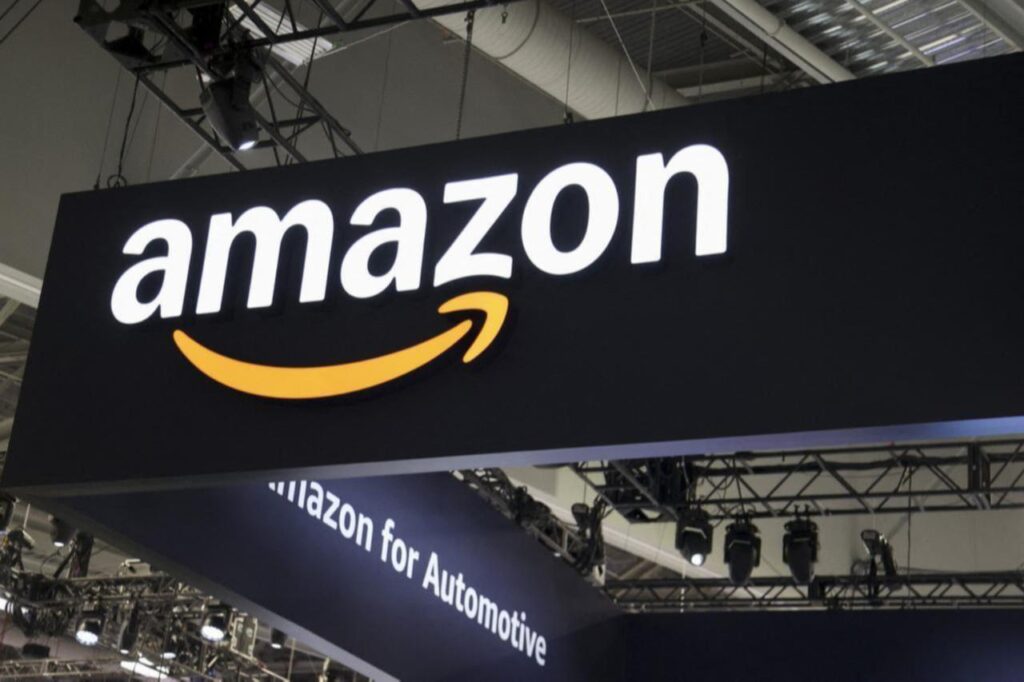
The news follows reports of a burgeoning relationship between OpenAI and Amazon. Industry insiders point to a potential $50 billion cloud deal with Amazon that would see OpenAI utilizing AWS’s custom-designed AI chips (Trainium and Inferentia).
For Amazon, this is a massive win. While they have invested heavily in Anthropic, adding OpenAI’s models to the AWS library makes them a “one-stop shop” for AI development, potentially pulling market share away from Microsoft Azure.
What Happens to the Microsoft Partnership?
It is important to note that despite breaking Microsoft exclusivity, OpenAI and Microsoft are not “breaking up.” Microsoft remains OpenAI’s primary cloud partner and still holds a significant minority stake in the company’s for-profit arm.
Under the reworked deal:
Primary Partnership: Microsoft retains a license to OpenAI’s intellectual property through 2032.
First-to-Market: OpenAI products will likely still ship first on Azure, provided Microsoft can meet the deployment requirements.
Financial Restructuring: In a surprising twist, Microsoft will no longer pay a revenue share to OpenAI for the products it resells on its cloud, simplifying a complex financial web that has previously frustrated investors.
The Market Reaction
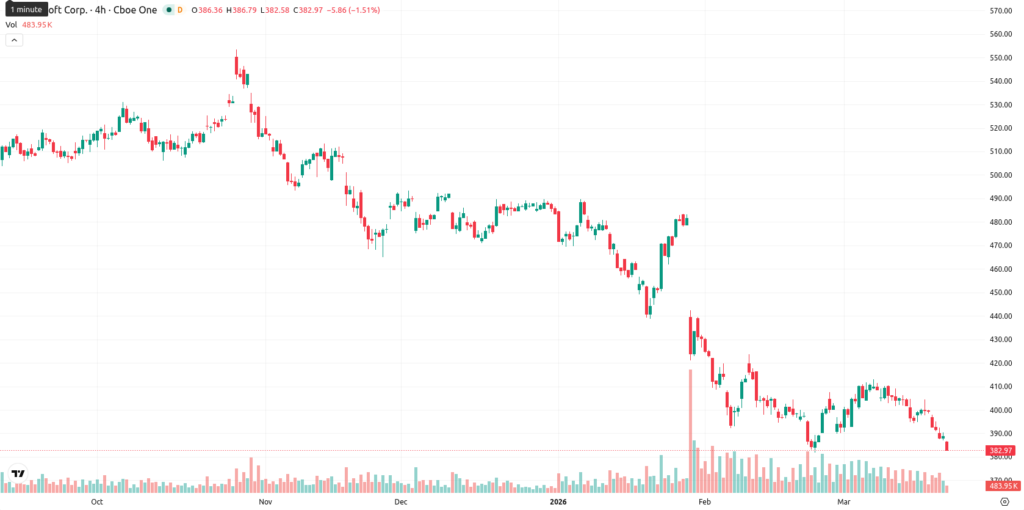
The news sent ripples through Wall Street. Microsoft shares saw a slight dip in premarket trading as investors weighed the implications of ending the Microsoft exclusivity agreement, which many viewed as a key competitive advantage for the tech giant. Conversely, Alphabet (Google) and Amazon saw modest gains, reflecting the market’s optimism about OpenAI models finally landing on their respective platforms.
A New Era of AI Agnosticism
For the average developer or enterprise, this is a net positive. The “exclusivity era” forced many companies to choose their cloud provider based solely on which AI model they wanted to use. Now, we are entering an era of AI agnosticism, where the best models like GPT-5 and beyond will be available regardless of whether you run your business on Azure, AWS, or Google Cloud.
As Sam Altman’s OpenAI prepares for a potential IPO and continues its quest for trillions in infrastructure investment, this move is a clear signal: OpenAI is no longer just a Microsoft partner; it is an independent titan of the tech world.
Read more at Daybreak Journal: Tim Cook Transition: John Ternus Set to Become Apple CEO

1 Comment
Pingback: Spirit Airlines Collapse After Failed Rescue Deal Ends Operations