
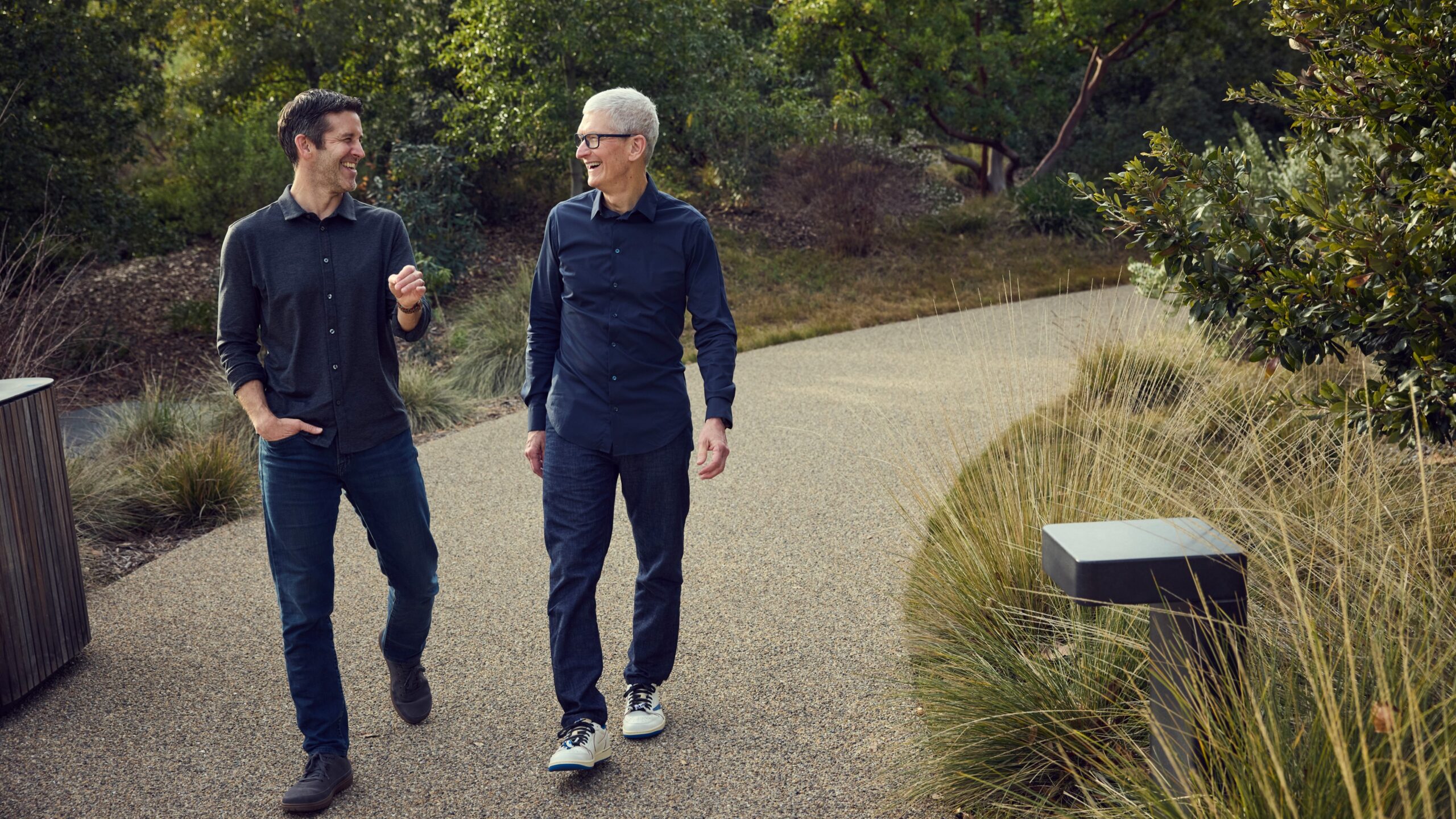

Apple’s CEO Tim Cook: From Operations Genius to Legacy Leader
The story of Apple cannot be told without acknowledging the quiet yet transformative leadership of Tim Cook. Unlike his predecessor Steve Jobs, a visionary showman, Cook built his legacy on discipline, strategy, and operational excellence. His journey is not one of dramatic reinvention, but of scaling brilliance into global dominance.
Tim Cook’s early career was rooted in supply chain mastery. Before joining Apple in 1998, he worked at IBM and later at Compaq, where he developed a reputation for optimizing operations.
When he joined Apple then a struggling company, Cook made bold decisions:
- Reduced inventory drastically
- Streamlined manufacturing
- Built one of the most efficient global supply chains
These moves didn’t just save money; they laid the foundation for Apple’s future scalability.
Taking the Helm: The Post-Jobs Era
In 2011, after the passing of Steve Jobs, Cook stepped into arguably the most scrutinized leadership role in tech history. Many doubted whether he could fill Jobs’ shoes.
Instead of imitation, Cook redefined leadership at Apple:
- Focused on execution over spectacle
- Expanded Apple’s ecosystem rather than reinventing it
- Prioritized long-term growth and stability
Under his leadership, Apple evolved from a product-centric company into a global technology powerhouse.
The Growth Era: From Billions to Trillions
Tim Cook’s tenure is defined by staggering growth, with Apple Inc.’s market value surging from around $350 billion to nearly $4 trillion, while annual revenue climbed from $108 billion to over $400 billion. Yet numbers alone don’t capture his full impact. Under Cook’s leadership, Apple expanded its ecosystem through innovations like the Apple Watch and AirPods, alongside a rapidly growing services portfolio including iCloud, Apple Music, and Apple Pay. He also pushed strongly toward sustainability and carbon neutrality goals, reinforcing Apple’s long-term vision. In doing so, Cook transformed Apple into a lifestyle-driven ecosystem rather than just a hardware company.
The Diplomat CEO
One of Cook’s most underrated strengths has been diplomacy.
In an era of rising geopolitical tensions, he:
- Navigated U.S.-China trade complexities
- Maintained Apple’s global supply chain
- Balanced regulatory pressures across regions
His ability to manage relationships with governments and stakeholders made him not just a CEO, but a global corporate diplomat.
Read more: Diplomatic duties for Tim Cook after stepping down as Apple CEO | Tim Cook | The Guardian
The 2026 Transition: A Planned Evolution
On April 20, 2026, Apple announced a historic leadership shift:
- Tim Cook will become Executive Chairman
- John Ternus will take over as CEO on September 1, 2026

This wasn’t sudden, it was part of a long-term succession plan approved by Apple’s board.
As Executive Chairman, Cook is expected to:
- Focus on global policy and diplomacy
- Guide Apple’s strategic direction
- Support leadership during geopolitical and regulatory challenges
Meanwhile, Ternus Apple’s hardware chief signals continuity, especially in product innovation and hardware excellence.
Legacy: The Architect of Scale
Tim Cook may not have invented the iPhone, but he perfected the machine behind it. His legacy is defined by transforming Apple Inc. into the most valuable company in the world, building a resilient and highly scalable ecosystem, and leading with consistency rather than charisma. Critics often argue that he wasn’t a “visionary” in the mold of Steve Jobs, particularly in the age of AI. However, history may ultimately judge him differently not as the man who imagined the future, but as the one who made it sustainable at a truly global scale.
What Comes Next for Apple?
With John Ternus stepping in, Apple faces a new challenge:
adapting to an AI-driven world without losing its hardware-first identity.
Cook’s transition doesn’t mark an end it marks a shift:
- From operator to overseer
- From CEO to strategist
- From builder to guardian of legacy
Tim Cook’s journey is a lesson in modern leadership:
You don’t always need to be the loudest visionary in the room sometimes; the most impactful leaders are the ones who quietly build empires that last.
Apple iPhone 18 will be available in the market soon, checkout the comparison of iPhone 17 and 18: iPhone 18: Is It Worth Upgrading In 2026?

3 Comments
Pingback: 7 Best Walkable Cities In The USA For A Car-Free Vacation
Pingback: BYD DOLPHIN SURF: A Fresh Take On Europe’s Urban EV Story
Pingback: Microsoft Exclusivity: OpenAI free to Court Amazon and Google - Daybreak Journal