

Symptoms of Hantavirus: Early Warning Signs, Causes, and Life-Saving Prevention
Medically Reviewed by: [Dr. Aris Thorne, Infectious Disease Specialist]
Last Updated: May 2026
Introduction
While rare, Hantavirus Pulmonary Syndrome (HPS) is a severe respiratory disease that can be fatal if not caught early. Often beginning with vague, flu-like signs, the virus can rapidly progress to life-threatening lung complications. Because early detection is the single most important factor in survival, understanding the symptoms of hantavirus and knowing how to safely manage rodent-prone areas is critical for your safety.
What is Hantavirus?
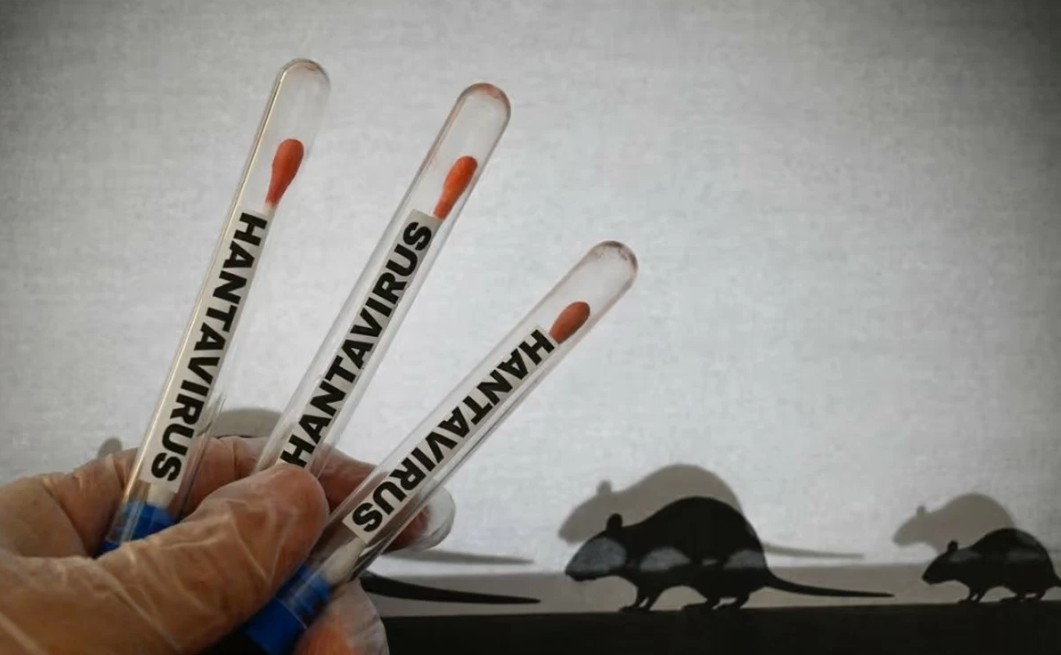
Hantavirus refers to a family of viruses spread mainly by rodents. In North America, the deer mouse is the primary carrier. Humans contract the virus through “aerosolization” breathing in tiny particles of infected rodent urine, droppings, or saliva that have been stirred into the air.
Key Fact: Unlike the common cold or flu, hantavirus does not spread between humans in North America. You can only catch it from direct or indirect contact with infected rodents.
Early Symptoms of Hantavirus (Days 1–5)
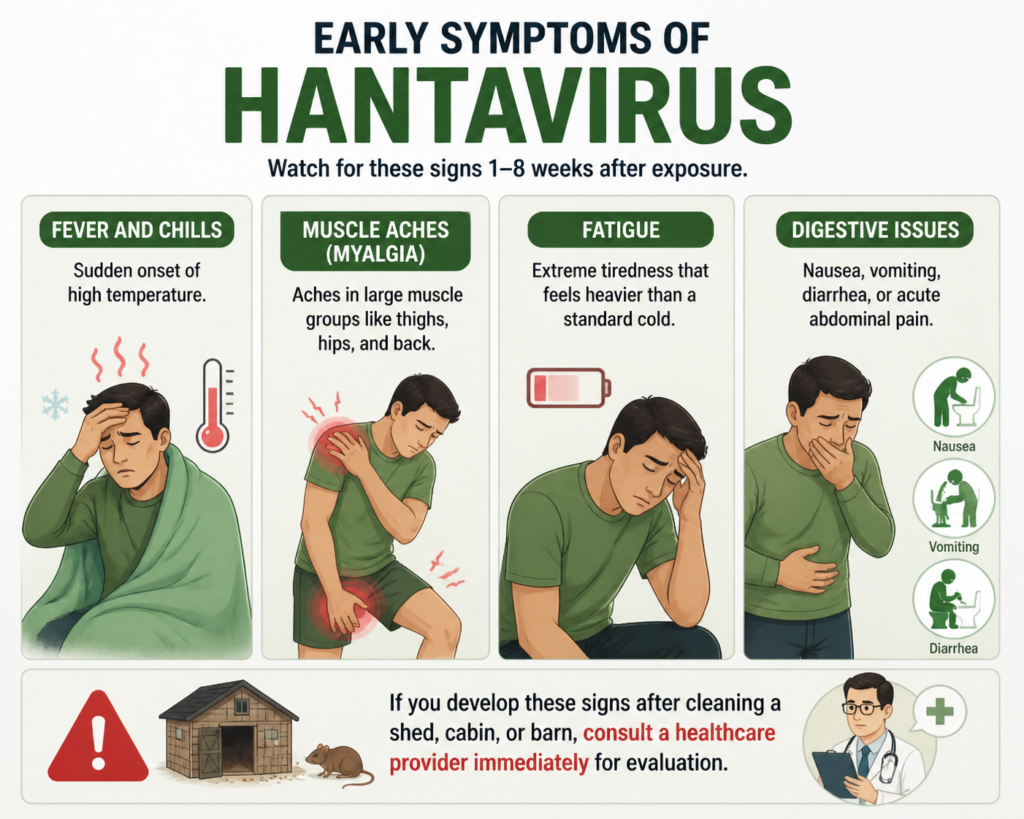
The incubation period for the virus is typically 1 to 8 weeks after exposure. Identifying the symptoms of hantavirus early is often difficult because they mimic common seasonal illnesses like the flu or COVID-19.
Common Early Signs:
Fever and Chills: Sudden onset of high temperature.
Muscle Aches (Myalgia): Particularly in the large muscle groups like thighs, hips, and back.
Fatigue: Extreme tiredness that feels heavier than a standard cold.
Digestive Issues: About half of all patients experience nausea, vomiting, diarrhea, or acute abdominal pain.
If you develop these signs after cleaning a shed, cabin, or barn, consult a healthcare provider immediately for a professional evaluation of these symptoms of hantavirus.
Late-Stage Symptoms: The Respiratory Phase
Around 4 to 10 days after the initial phase, the “pulmonary” (lung) stage begins. This is a medical emergency that requires immediate intervention.
Critical Warning Signs:
Coughing and Shortness of Breath: Feeling as though you cannot get enough air.
Chest Tightness: A sensation of weight or pressure on the lungs.
Fluid in the Lungs: Doctors refer to this as pulmonary edema, where the lungs fill with fluid.
Low Blood Pressure (Hypotension): Leading to potential shock.
Who is Most at Risk?
Anyone exposed to rodent droppings is at risk, but certain activities carry higher “viral loads” that lead to the symptoms of hantavirus:
Seasonal Cleaning: Opening up closed-up cabins, campers, or sheds.
Construction/Renovation: Working in crawl spaces or attics.
Outdoor Recreation: Hikers and campers using trail shelters.
Occupational Hazard: Farmers and pest control professionals.
How to Prevent Hantavirus: The “Seal, Clean, and Trap” Method
Prevention is the only 100% effective cure. To avoid the symptoms of hantavirus, follow these CDC-recommended guidelines for rodent control.
1. Seal the Entry Points
Rodents can squeeze through holes the size of a pencil eraser. Use steel wool and caulk to plug gaps around pipes and doors.
2. Safe Cleaning Practices (Crucial)
Never sweep or vacuum dry droppings. This stirs the virus into the air you breathe.
Ventilate: Open doors and windows for at least 30 minutes before cleaning.
Disinfect: Spray droppings with a mixture of 1 part bleach to 9 parts water. Let it soak for 5 minutes.
Protect: Wear rubber gloves and, if possible, an N95 mask.
Diagnosis and Treatment
There is currently no specific vaccine or “cure” for the infection. However, early hospitalization and supportive care significantly increase survival rates.
Oxygen Therapy: Patients often require a ventilator to help them breathe.
Fluid Management: Monitoring hydration and blood pressure in an Intensive Care Unit (ICU).
Frequently Asked Questions (FAQ)
How do I know if I have the flu or hantavirus?
Hantavirus rarely causes a sore throat or runny nose. If your illness includes severe muscle aches in the legs and back and you’ve recently been around rodents, seek a blood test for hantavirus.
Is hantavirus fatal?
According to the CDC, HPS has a mortality rate of approximately 38%. This is why monitoring the early symptoms of hantavirus and seeking medical care early is so vital.
If you have been in contact with rodents and experience shortness of breath, a rapid heartbeat, or severe muscle aches, visit an emergency room immediately. Mention your rodent exposure to the attending physician.
