
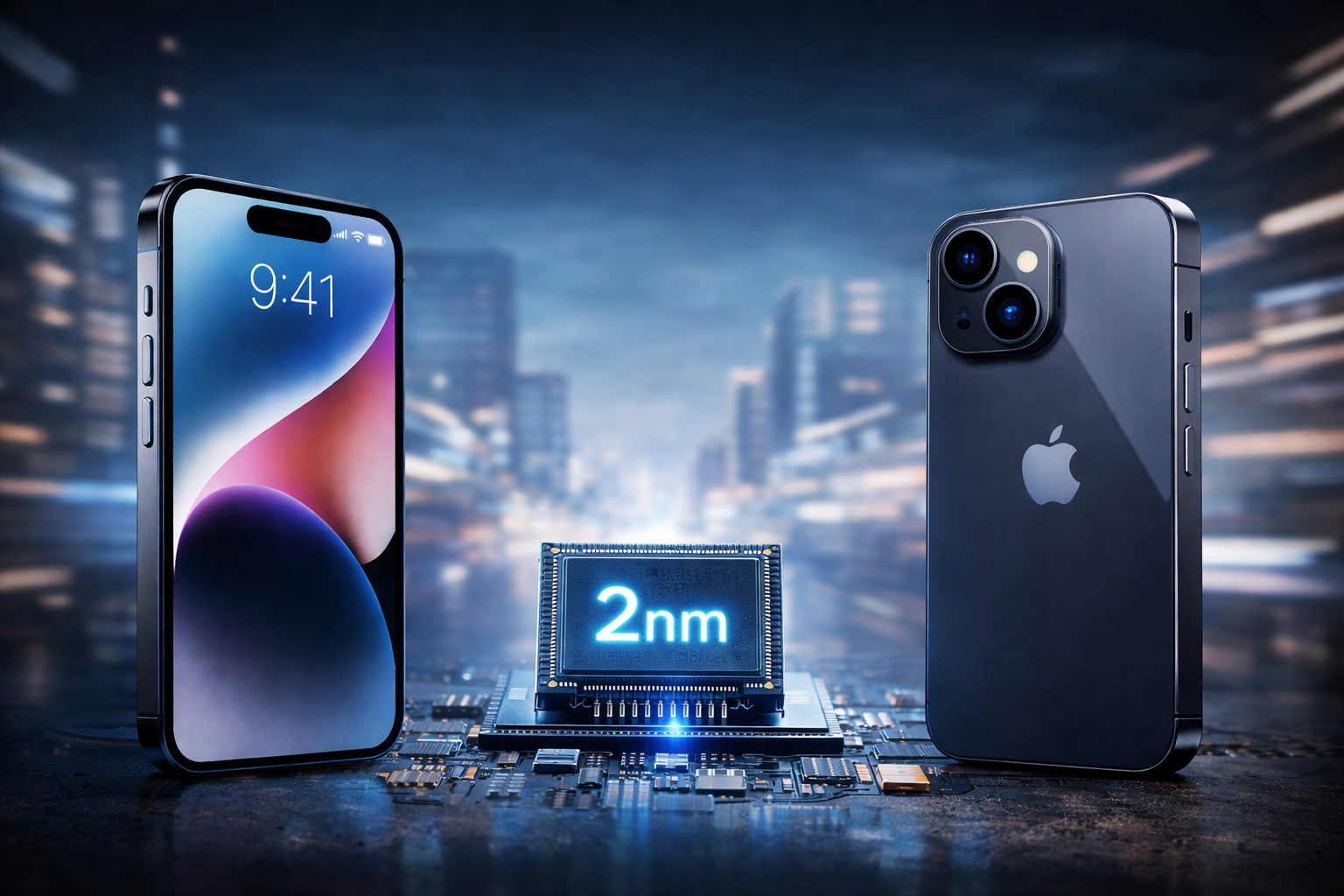

As Apple Inc.’s smartphone upgrade cycle enters yet another year defined by incremental innovation, consumers are once again confronted with a familiar dilemma: buy the iPhone 17 now or wait for the iPhone 18. This annual decision has become increasingly complex as the pace of visible design changes slows and the emphasis shifts toward performance-driven enhancements.
For most buyers in 2026, the choice is no longer centered solely on aesthetics or superficial design refinements. Instead, it is increasingly influenced by timing, long-term performance durability, battery efficiency, resale value, and overall return on investment. In a market where flagship smartphones are often kept for three to five years, consumers are placing greater weight on how well a device will age over time rather than how dramatically it differs from its predecessor at first glance.
Early insider news and supply-chain expectations suggest that Apple’s upcoming iPhone 18 lineup is likely to prioritize internal hardware upgrades, chipset efficiency, and AI-focused performance improvements, rather than introducing a major design overhaul. This evolution in Apple’s product strategy makes the purchasing decision more nuanced than in previous years, particularly for users deciding whether incremental gains in speed and battery life justify waiting several more months.
For buyers currently using an older-generation device, the question is no longer simply about what is new, but rather which option offers the strongest balance between immediate usability and long-term value retention.
The Case for Buying the iPhone 17
The iPhone 17 remains one of Apple’s most compelling mainstream devices to date.
With the introduction of a 6.3-inch 120Hz ProMotion OLED display, Apple has effectively narrowed the gap between its base and Pro offerings. This is a notable shift, as smoother refresh rates and always-on display capabilities were historically reserved for premium-tier models.
Additional highlights include:
- Apple’s A19 chipset
- 256GB base storage
- 48MP dual-camera system
- significantly improved battery life
- USB-C fast charging
- enhanced wireless connectivity
For users upgrading from an iPhone 13, 14, or even 15, the performance leap is meaningful enough to justify an immediate purchase.
More importantly, the iPhone 17 already offers enough headroom for at least three to four years of reliable use, making it a financially sensible choice in today’s market.
What the iPhone 18 Is Expected to Bring
The iPhone 18 is widely expected to prioritize under-the-hood improvements.
Industry reports suggest Apple’s next-generation device could introduce the A20 chip built on a 2nm process, alongside improvements in modem efficiency, AI processing, and battery optimization.
Expected upgrades include:
- A20 / A20 Pro chipset
- improved 5G modem performance
- stronger on-device AI capabilities
- longer battery efficiency
- upgraded selfie camera
- smaller Dynamic Island
- camera refinements, including variable aperture on Pro models
The most significant potential upgrade lies in power efficiency.
A move to 2nm architecture could deliver approximately 15% faster performance and 30% better power efficiency, according to early industry estimates.
For users who tend to hold onto their phones for several years, this improvement may prove meaningful.
A Market Perspective: Incremental, Not Revolutionary
What makes this buying decision particularly interesting is that the iPhone 18 is not expected to dramatically alter the user experience on day one.
Leaks and analyst commentary consistently suggest that Apple is likely to retain a similar design language, with the emphasis placed on efficiency and internal hardware refinement.
In other words, this appears to be an evolutionary upgrade cycle rather than a revolutionary one.
That distinction matters.
If your current phone is underperforming today, waiting several months for marginal gains may not be the most rational choice.
Should You Buy in 2026?
The answer depends on where you are upgrading from.
Buy the iPhone 17 if:
- You need a new device immediately
- Battery health on your current phone is declining
- You are using an iPhone 14 or older
- You find strong trade-in offers
Wait for the iPhone 18 if:
- Your current device still performs well
- You want maximum long-term future-proofing
- Battery efficiency and AI features are priorities
- You typically upgrade every 3–5 years
For most consumers, the iPhone 17 is the smarter buy in 2026.
The iPhone 18 may introduce meaningful internal improvements, but current reporting suggests the upgrade will be incremental rather than transformative.
In practical terms, the iPhone 17 already delivers flagship-grade performance, storage, and display quality at a level that should comfortably last for years.
Our view: buy the iPhone 17 if you need a device now; wait only if you are optimizing for long-term efficiency gains.
See more: How to Increase Mobile Battery Life in Everyday Use

1 Comment
Pingback: Apple Found Their New CEO Amid Tim Cook Stepping Down